Can You Leave a Robotic Leaf Skimmer in the Pool Long-Term?

This post might include affiliate links. Please see my policy.

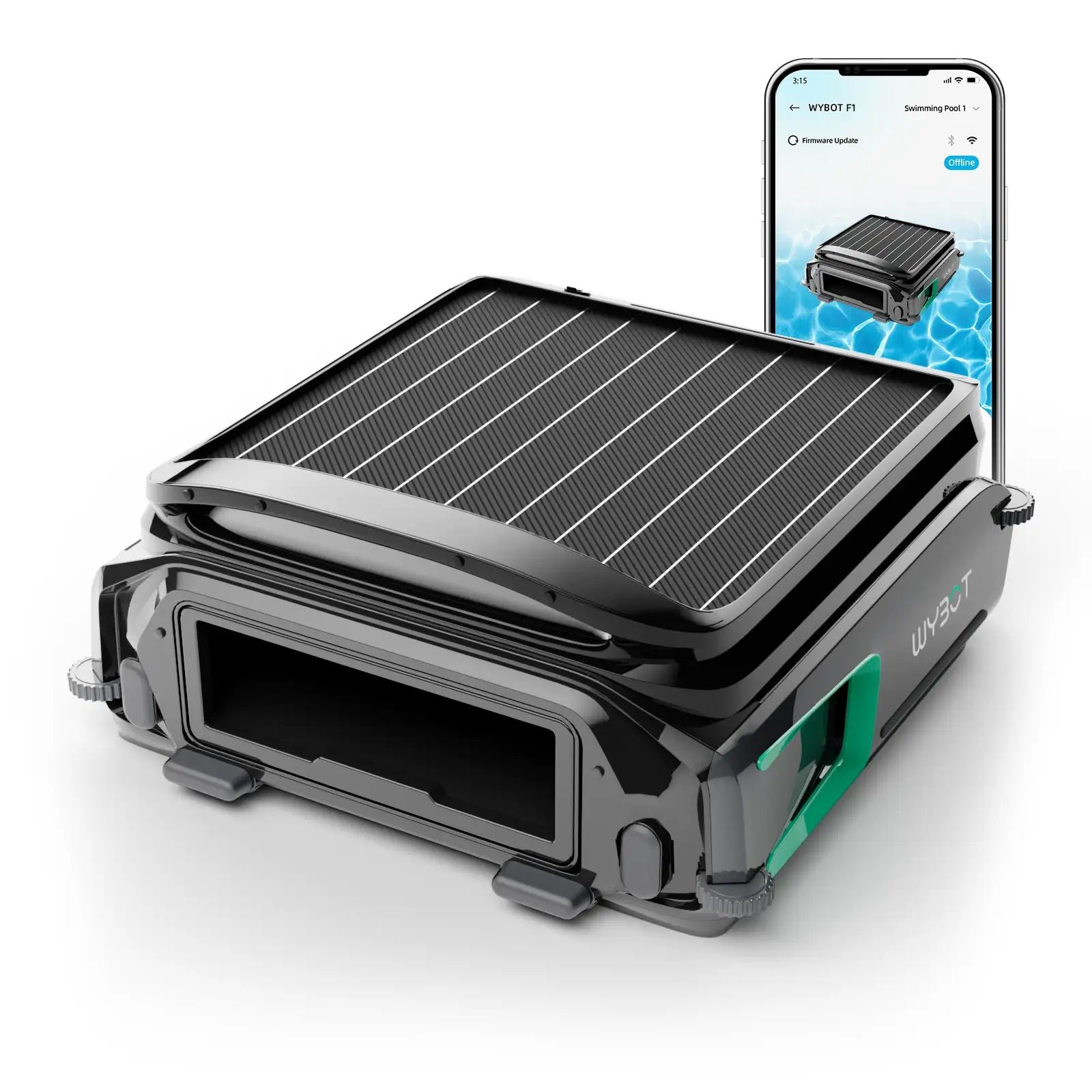
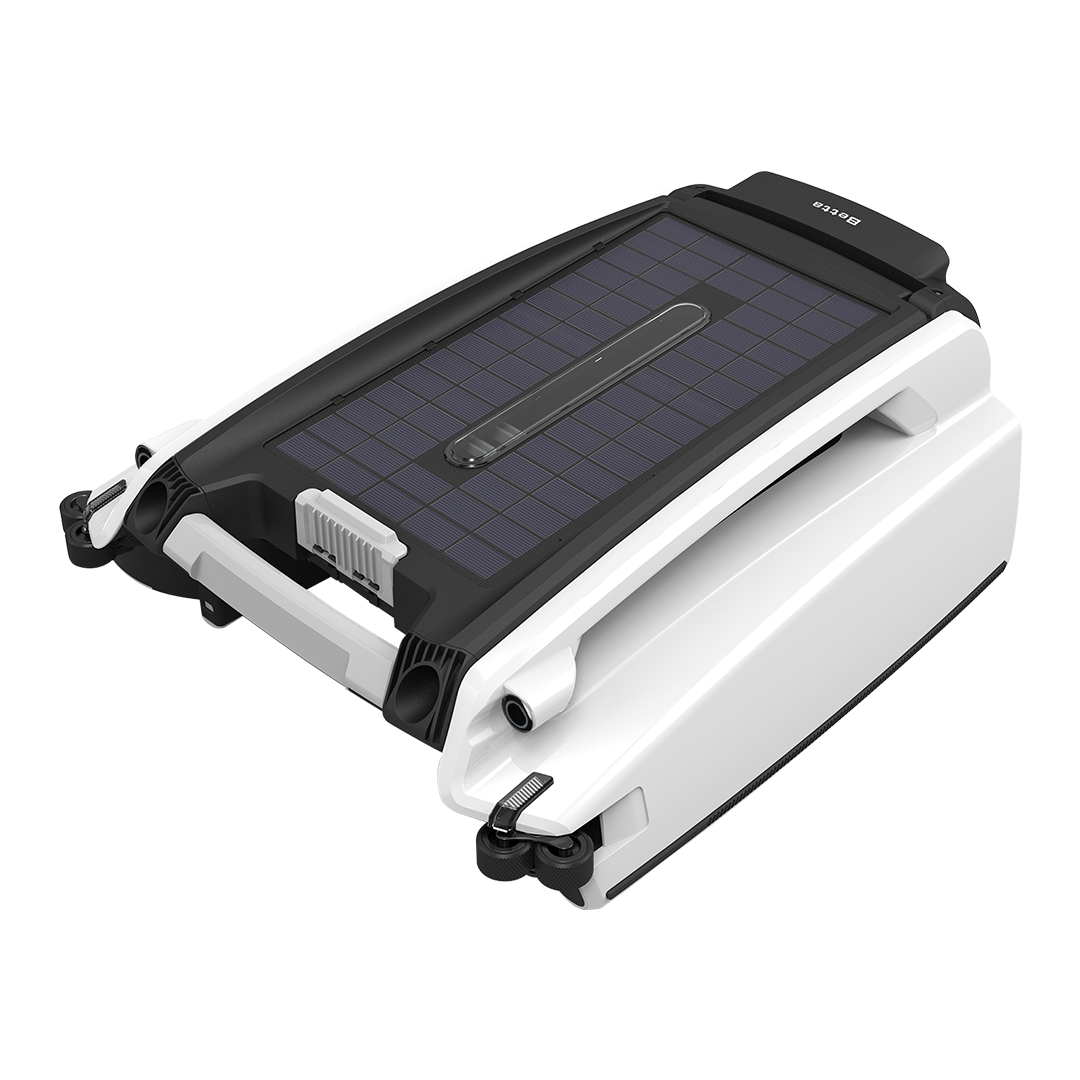
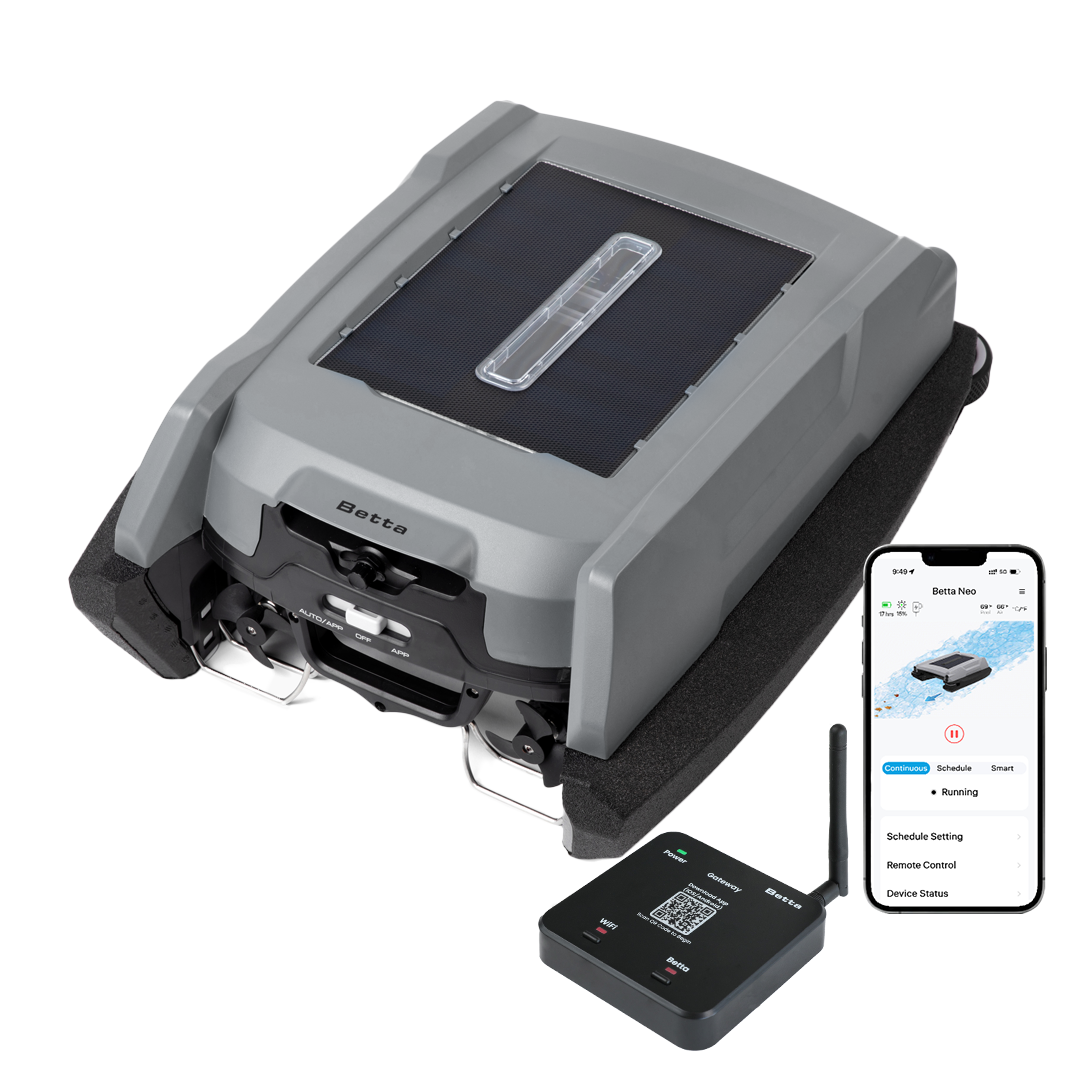
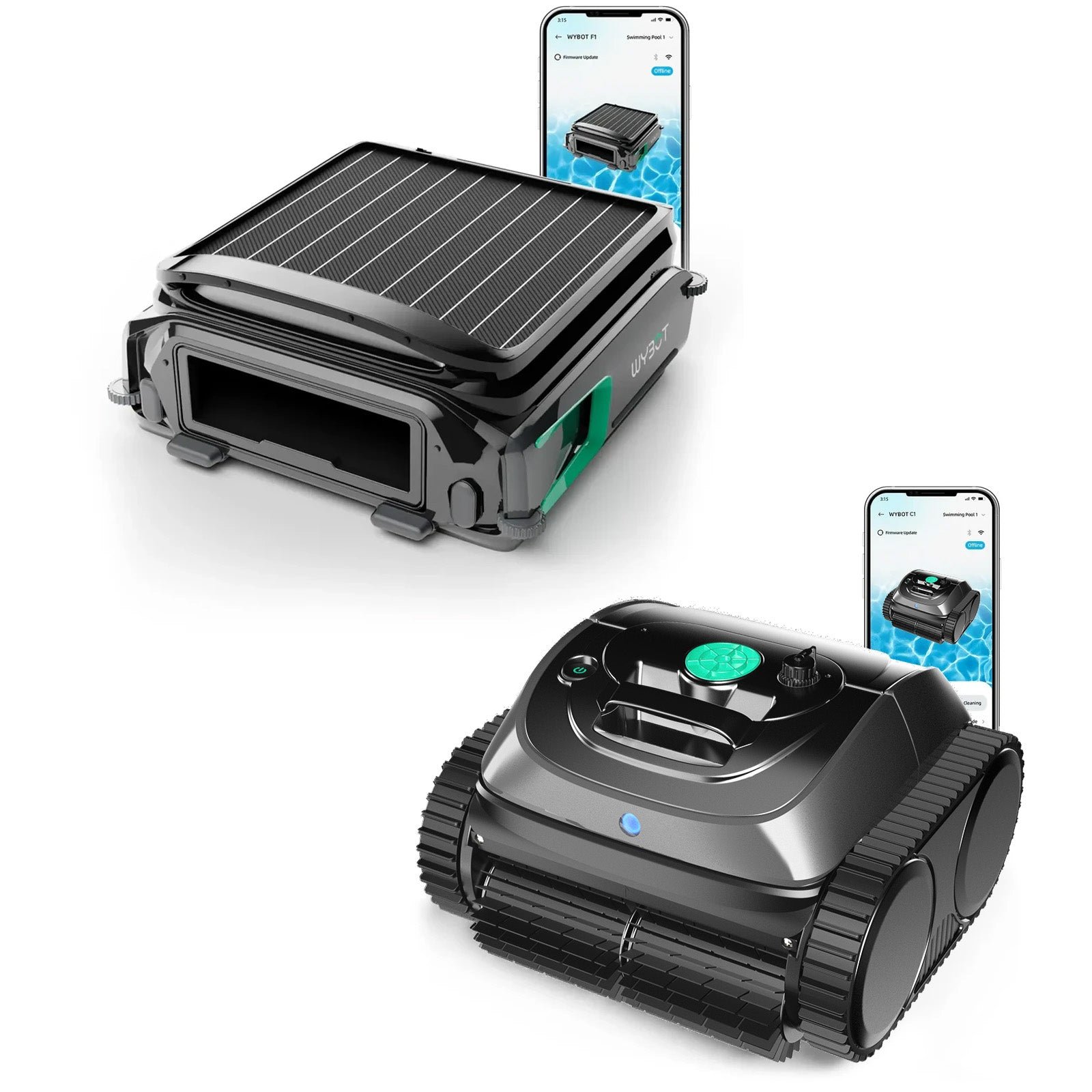
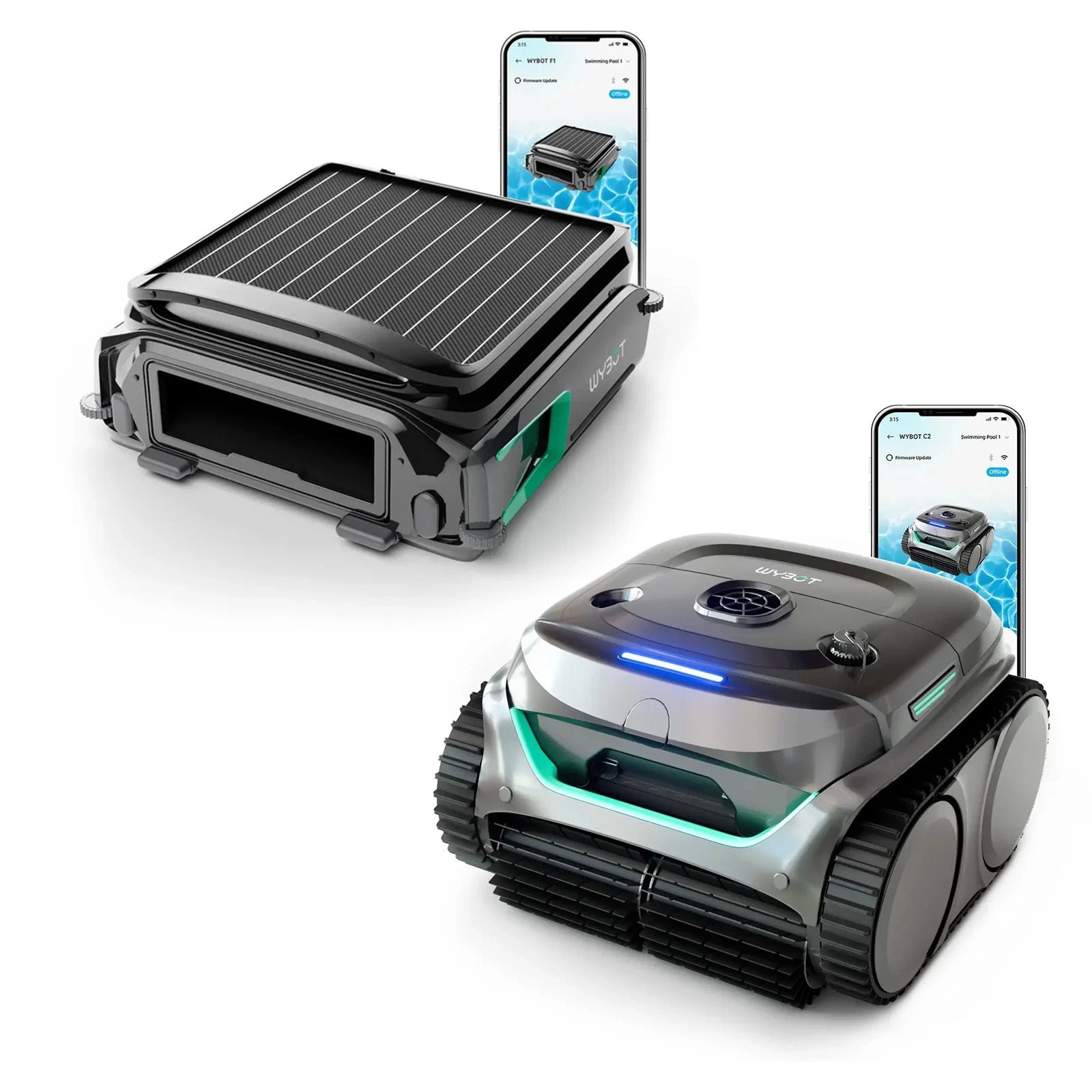
Robotic leaf skimmers are designed to float on the water and quietly sweep away leaves, insects, and surface debris. They’re incredibly convenient for keeping your pool surface clean. But a common question arises: can you leave them in the pool 24/7?

This guide answers that question clearly by looking at manufacturer guidance, real-world usage conditions, and long-term effects. Whether you use your skimmer daily or only after storms, we’ll help you make the best decision for longevity and reliability.

🔵 Recommended Reading: Will Your Robotic Skimmer Work After a Storm?

📦 What Manufacturers Recommend

  • Most brands recommend removing the skimmer when it’s not actively in use.

  • Solar-powered models often lack full waterproof battery seals and aren’t designed for permanent submersion.

  • Prolonged exposure can result in battery wear, algae growth, and UV damage to outer casings and electronics.

Manufacturers like Betta, Aiper, and Zigma all suggest regular inspection and occasional removal to rinse and dry the skimmer.

🔵 Recommended Reading: Robotic Leaf Skimmers: What They Do and Do You Really Need One?

🌞 When It’s Okay to Leave It In

There are times when it’s perfectly acceptable to leave your robotic skimmer in the water:

  • During peak swim season (spring and summer), especially if you’re running the skimmer daily

  • If you have a UV-resistant model with sealed electronics

  • Your pool is covered at night or when not in use, reducing sun and chemical exposure

  • You’re actively monitoring it and cleaning the tray regularly

Daily use with light to moderate debris levels won’t harm the unit, especially if it’s solar-powered and made for long runtime.

🔵 Recommended Reading: Solar-Powered Robotic Skimmers: Are They Effective?

⚠️ When You Should Remove It

Certain conditions can accelerate damage or reduce the performance of your skimmer:

  • Heavy winds, thunderstorms, or nearby falling branches that could hit and damage the unit

  • Pool closings for winter or off-season, especially in cold climates

  • After shock treatment or high chlorine dosing that could corrode parts

  • If the skimmer hasn’t been used for more than 48–72 hours

Leaving it idle for too long can also allow algae to take hold on the hull or inside the tray.

🔵 Recommended Reading: Robotic Skimmer Navigation Types

🔋 Risks of Leaving It In Too Long

🔹 Battery Degradation

  • Constant exposure to water, heat, and solar charging cycles can reduce overall battery lifespan.

  • Battery capacity may diminish faster if the skimmer never gets time to dry or cool down.

🔹 Algae and Debris Buildup

  • Floating debris or stagnant conditions can lead to algae buildup on the hull or filter tray.

  • This not only affects performance but may cause odors or require more cleaning.

🔹 UV and Chemical Wear

  • Continuous UV exposure fades plastic and weakens seal integrity.

  • Prolonged chlorine contact, especially after shocking, may damage electronic compartments or battery compartments.

🪜 Best Practices for Skimmer Longevity

Want to maximize your robotic skimmer’s lifespan?

  • Rinse the unit after use, especially after high-chemical cleaning

  • Let it fully dry before storage or charging

  • Store it in a shaded, well-ventilated area when not used for more than 2 days

  • Follow the user manual for charging cycles, runtime, and tray maintenance

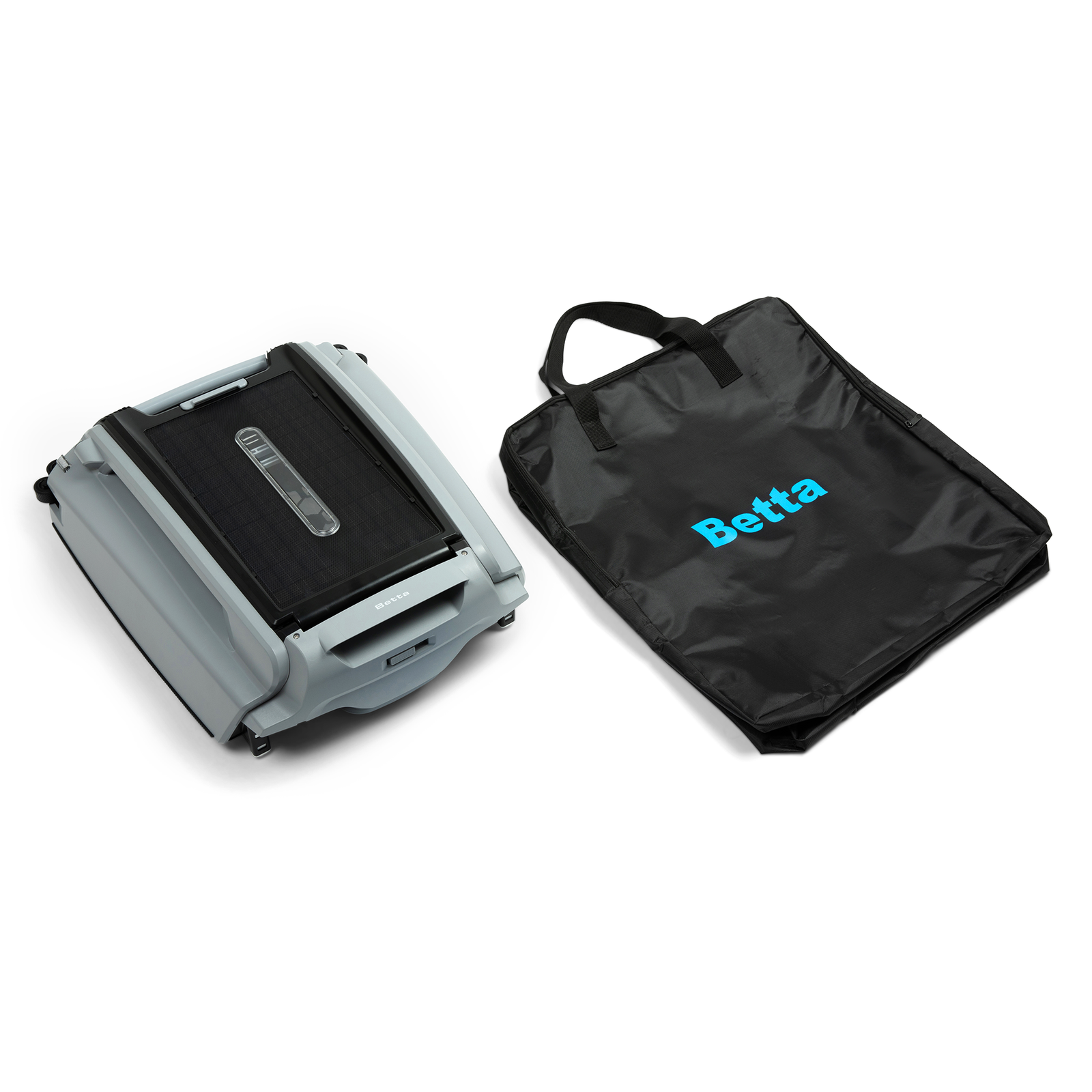
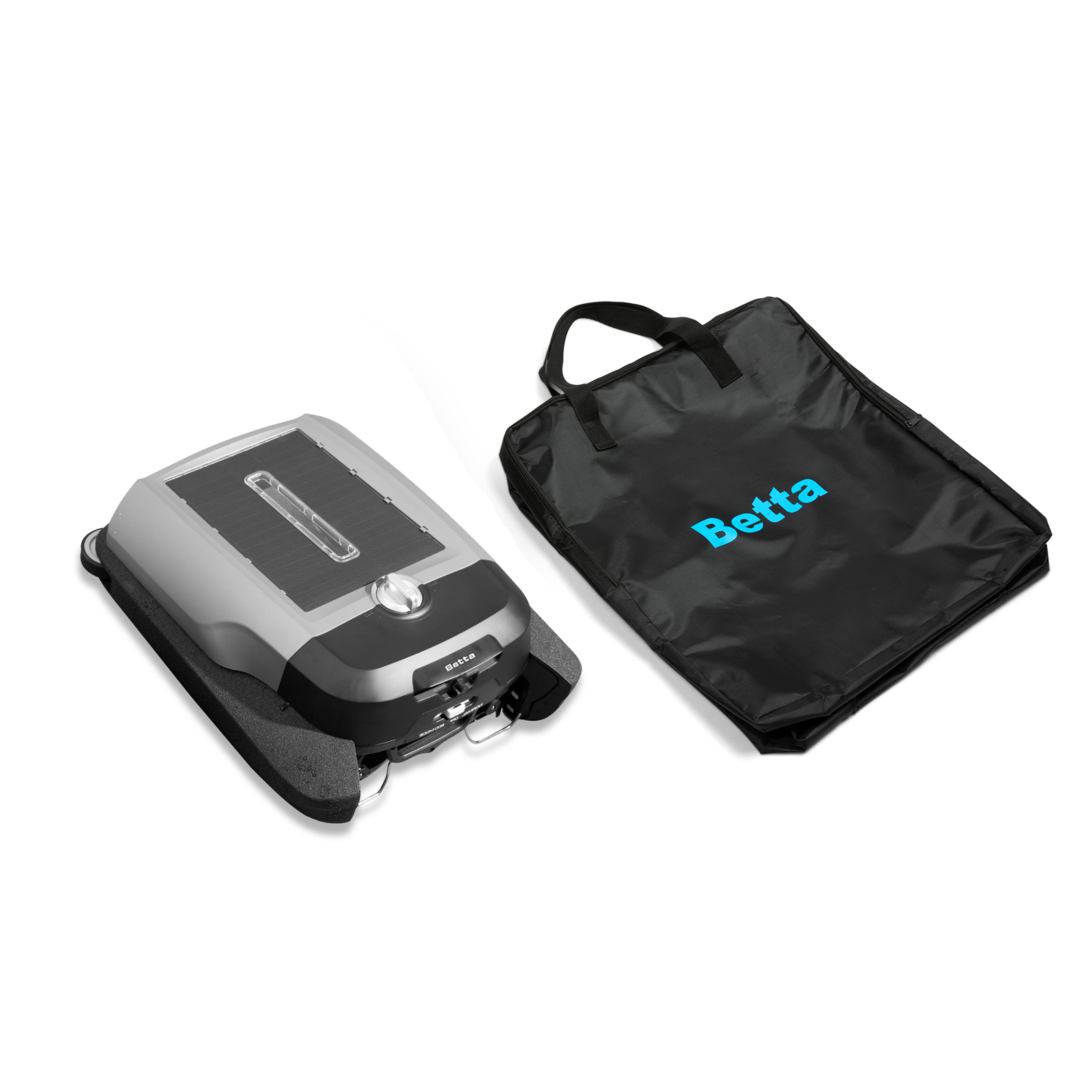
  • Use a mesh bag or bin to store it off the ground and away from pests or moisture

🔵 Recommended Reading: Do Robotic Skimmers Work in All Water Types?

✅ Final Advice

Robotic skimmers are made to work autonomously for long stretches, but they’re not meant to float endlessly without care.

Leaving it in during summer is fine if you clean it regularly and avoid major weather or chlorine treatments. For anything longer or during low-use periods, take the time to rinse, dry, and store it properly.

This protects your investment and ensures your pool stays sparkling, with less need for costly repairs or replacements down the line.

🔍 Compare Skimmers Using Our Interactive Table

Use our filters to compare:

  • Skimmer type: solar-only vs hybrid solar + battery

  • Filter tray access location

  • Runtime style: programmable scheduling and mode

Frequently Asked Questions

Can you leave a robotic pool skimmer in the pool overnight?

Usually yes, during swimming season. It is fine when the skimmer runs daily and you empty its tray regularly. Most brands still suggest taking it out when it isn't in use, so check your manual. Take it out before a storm, a shock treatment or a pool closing, and whenever it will sit idle for more than 48 to 72 hours.

How should I store a robotic skimmer when I take it out?

In a shaded, airy spot, once it is clean and dry. Rinse the hull and the tray with fresh water, and let the skimmer dry fully before you charge or store it. Keep it off the ground in a mesh bag or bin, away from pests and moisture, and follow the manual on charging.

Does leaving a skimmer in the water shorten its battery life?

It can. Constant heat, water and daily solar charging wear a battery faster, especially when the skimmer never gets a chance to dry and cool down. Taking it out every few days to rinse it and let it dry fully before the next charge helps the battery hold its capacity for longer.

Should I take the skimmer out before shocking the pool?

Yes. A shock treatment pushes the chlorine level far above normal, and long contact with that water can damage the plastic, the seals and the battery compartment. Take the skimmer out before you shock, rinse it with fresh water and put it back once the chlorine level is back to normal.

👉 Next Steps

Today’s deals: robots the brands’ own stores sell at least 5% below their regular price.

Robot picker: answer a few questions and see the models that fit your pool.

Robot guides: each robot’s specs, who it suits and how it compares.

🔗 Related Posts

Scroll to Top